
Investments
Investing means becoming wealthier by buying and sometimes selling assets that provide income while you hold them and capital when you sell them.
There are two ways to invest and three broad types of investment. We can assist you with all of them.
The two ways to invest are directly or indirectly. Direct investment is where you buy and hold investment assets in your own name (or in the name of some entity that you control, such as a family trust or a self-managed super fund). If direct investment is what you are after, we can help you find the right investments to make and the right ways to manage those investments. A big part of this is making sure that you buy the asset in the right hands. Sometimes this is yourself, but sometimes it is not.
Indirect investment is where you employ an investment manager to buy and hold investment assets on your behalf. We can assist you to identify the managed investment option or options that best suits your circumstance and your goals, and then show you how to access the particular benefits of managed investments to minimise your risk.
The three broad things in which you can invest are shares, property and cash fixed/interest. The specific choice of investment types, and the way in which you mix these choices within your portfolio, is different for each person.
We take the time to assist you to identify which type or types of asset class makes most sense, and then assist you to make either a direct or indirect investment accordingly.
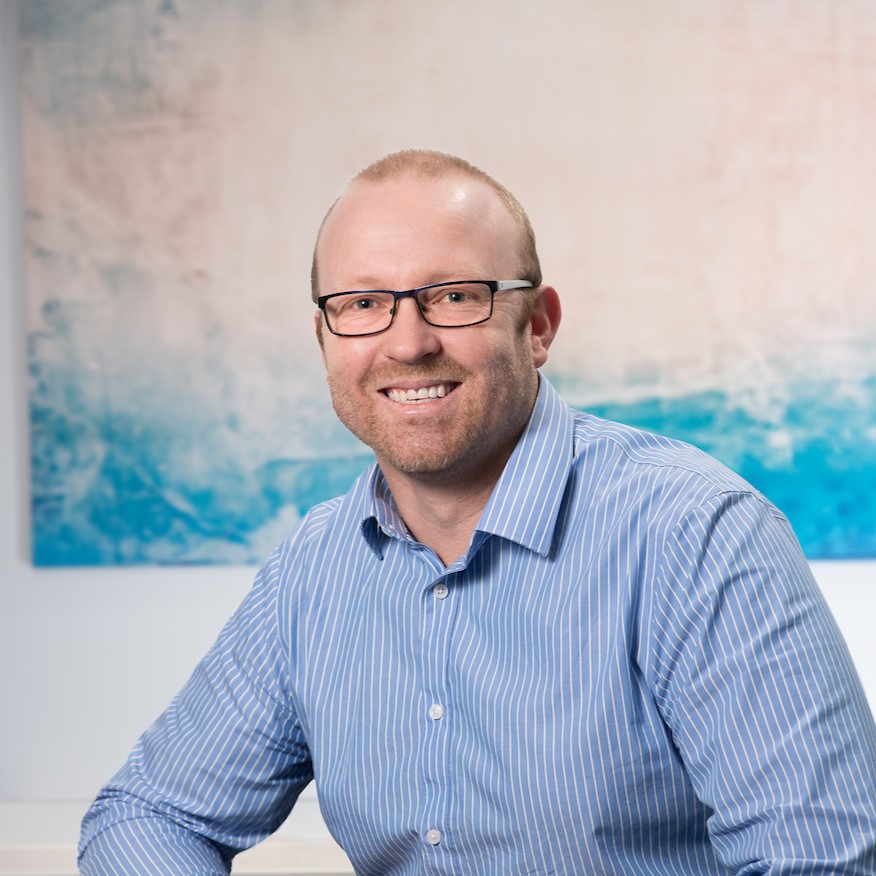
Nick Shanley
Financial Adviser / Director
Born and bred in Newcastle, Nick is passionate about helping people achieve their financial goals.
Having completed a Bachelor of Finance degree and the FPA’s internationally recognised Certified Financial Planner® course, Nick is well versed on the technical aspects of providing financial advice. With over 10 years’ experience in the financial advice industry, he understands the value of reputation in the hunter and focuses on establishing long term relationships with the people he assists.
Throughout his career, Nick has provided advice to people from all walks of life including high net worth individuals and successful business leaders. The scope of this advice has been wide ranging from simple savings plans to sophisticated Centrelink, pre-retirement and investment strategies.
It is Nick's goal to always display the highest level of integrity and ethical behaviour in all circumstances. This is evidenced by his membership of the Financial Planning Association and the Hunter Young Professionals.
The vast majority of people Nick assists come from word of mouth and appreciate his no pressure methods of simplifying and improving their financial situations through continuous communication and support.
Nick is always interested in sharing his knowledge so feel free to contact him on 0425 345 128 or nick@shanleyfinancial.com.au
Nick Shanley is an authorised representative (338220) of Sensibly Pty Ltd (AFSL 533923).
Contact Us
Relevant Articles...

How Venture Capital Tax Concessions Work in Australia
Early-Stage Venture Capital Limited Partnerships (ESVCLPs) offer eligible wholesale investors a tax-effective pathway to support Australia’s growing tech and startup ecosystem. Designed to encourage local venture capital investment, this government-registered structure delivers significant concessions including a non-refundable tax offset of up to 10%, zero Capital Gains Tax on eligible exits, and tax-free income distributions. However, these perks come with substantial trade-offs, including capital lock-up periods of 5 to 15 years and the high failure rates inherent in early-stage ventures. This article explores how ESVCLPs operate, who qualifies to participate, how the tax benefits are claimed, and what recent regulatory updates mean for investors.

Preparing for the 2027 Capital Gains Tax Changes
For years, many of us relied on a simple 'buy and hold' approach to investing, trusting that time and standard tax discounts would naturally take care of the rest. However, the capital gains tax (CGT) reforms proposed for 1 July 2027 are about to fundamentally rewrite the rulebook for Australian investors. Moving far beyond just the property market, these sweeping changes will impact shares, managed funds, and business interests, introducing significant new factors like a 30% minimum tax rate that could easily catch modest income earners off guard. This guide cuts through the noise to explain what these reforms mean for your portfolio, outlining the proactive strategies you need to protect your hard-earned wealth.

Why ‘Seeing is Believing’ is a Financial Risk in 2026
Scammers are no longer easy to spot. In 2026, artificial intelligence has fundamentally changed the nature of online investment fraud, enabling criminals to produce seamless deepfake videos of trusted public figures, build polished fake trading platforms, and even hide their activity from the social media systems designed to stop them. In response, Australia's financial regulator removed nearly 12,000 scam websites in a single year, a record, yet the threat continues to grow. Here's what you need to know to protect yourself.

How the Greats Manage Market Volatility
Seeing your investment portfolio drop can feel quite unsettling, particularly as global markets react to rising energy prices and geopolitical tensions. While the headlines might suggest it is time to panic, history often tells a far more optimistic story for those who stay the course. Rather than making hasty decisions based on short-term fear, we can look to the enduring wisdom of legendary investors like Warren Buffett and Peter Lynch to help frame our thinking. By understanding how these experts approach market volatility, you can transform a period of uncertainty into a clear strategy for protecting and growing your wealth over the long term.